How Transponder Key Cutting & Programming Actually Works
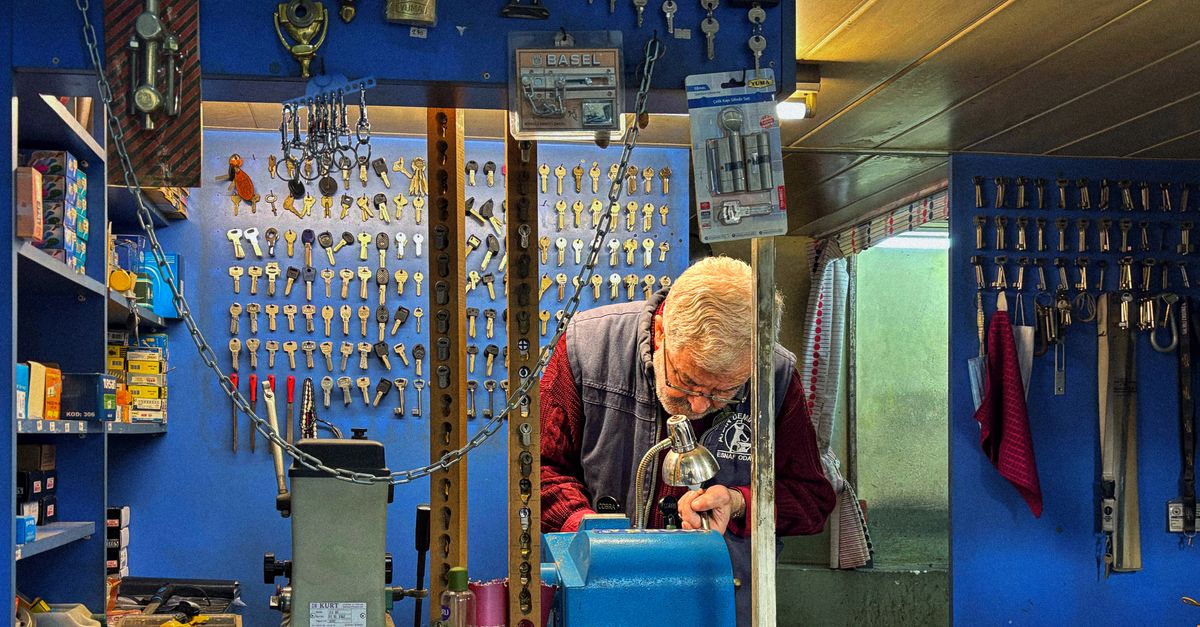
A transponder key contains a small microchip embedded in the plastic head. When you insert or proximity-present the key, your vehicle's immobilizer unit sends out a radio-frequency signal; the chip must respond with the correct rolling code or the engine simply won't start. Cutting the physical blade to match your ignition is only half the job — the chip must also be paired to the vehicle's ECU through a programming sequence. Skip either step and you end up with a key that either won't turn or won't start the car, which is why dealership-only repairs often involve long waits for specialty equipment that our mobile units already carry.
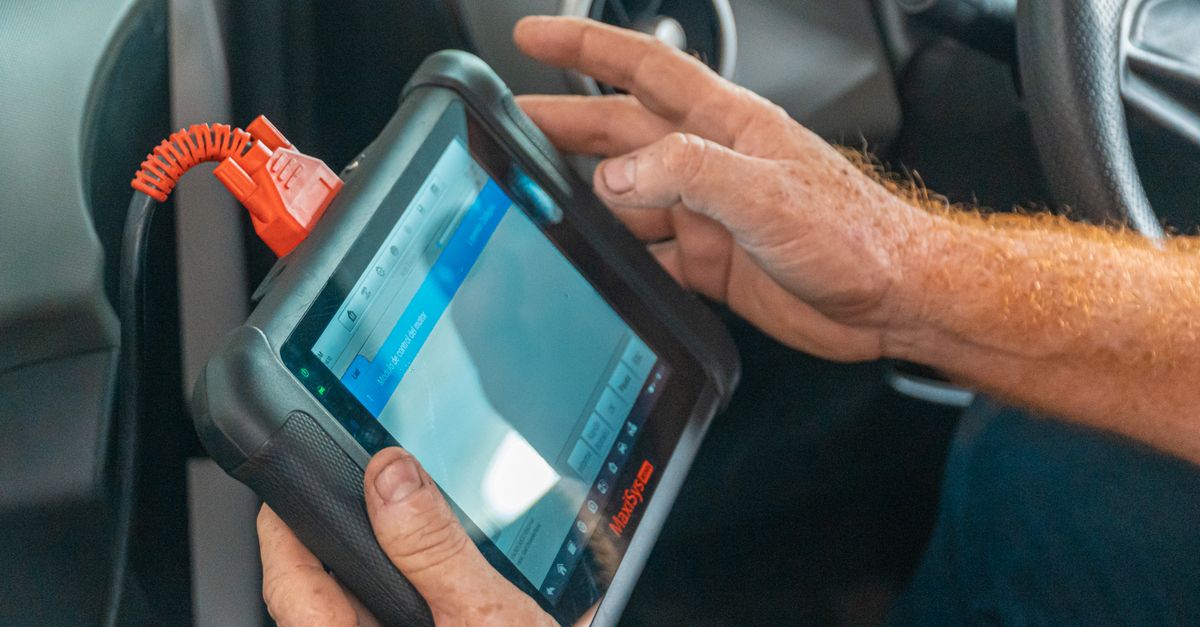
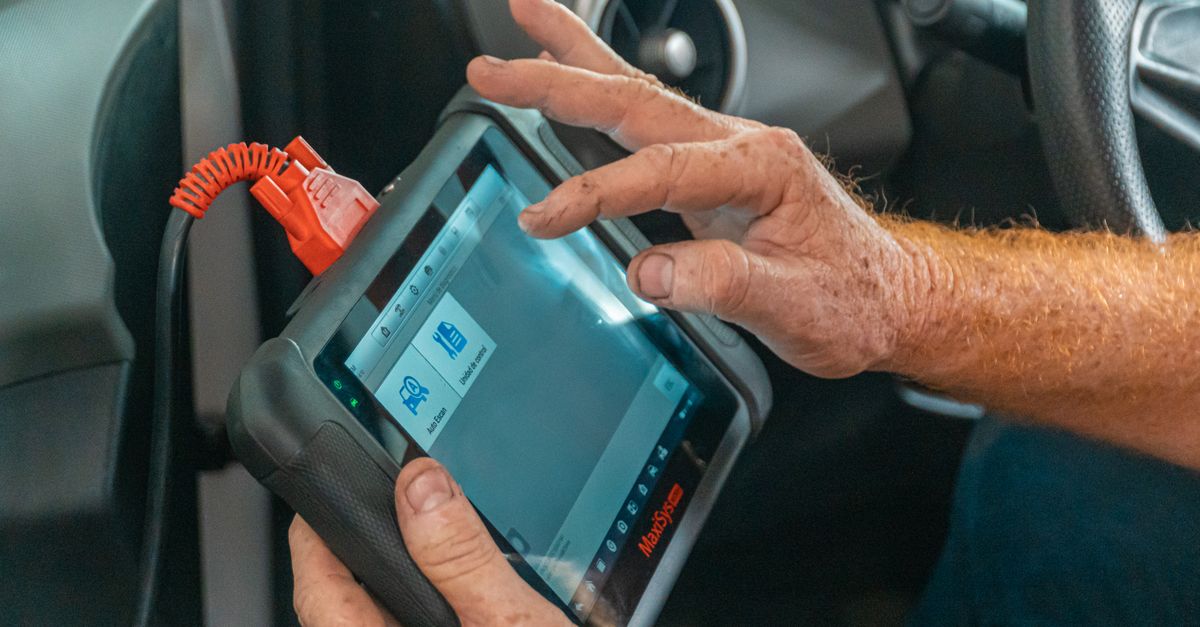
Our technicians use OBD-II based programming tools alongside standalone transponder programmers that support a wide range of vehicle platforms — domestic trucks, Japanese sedans, European imports, and more. For older vehicles that use fixed-code chips (like certain Toyota G and H series), the process is straightforward cloning. For newer models with rolling-code or proximity-based systems, we perform a live ECU pairing sequence right in your driveway or parking spot. The result is a fully functional key — cut to your ignition's specific bitting and programmed to your vehicle's immobilizer — without the car leaving your location.