Deadbolt Installation Types We Handle — From Mortise Locks to Jimmy-Proof Deadbolts
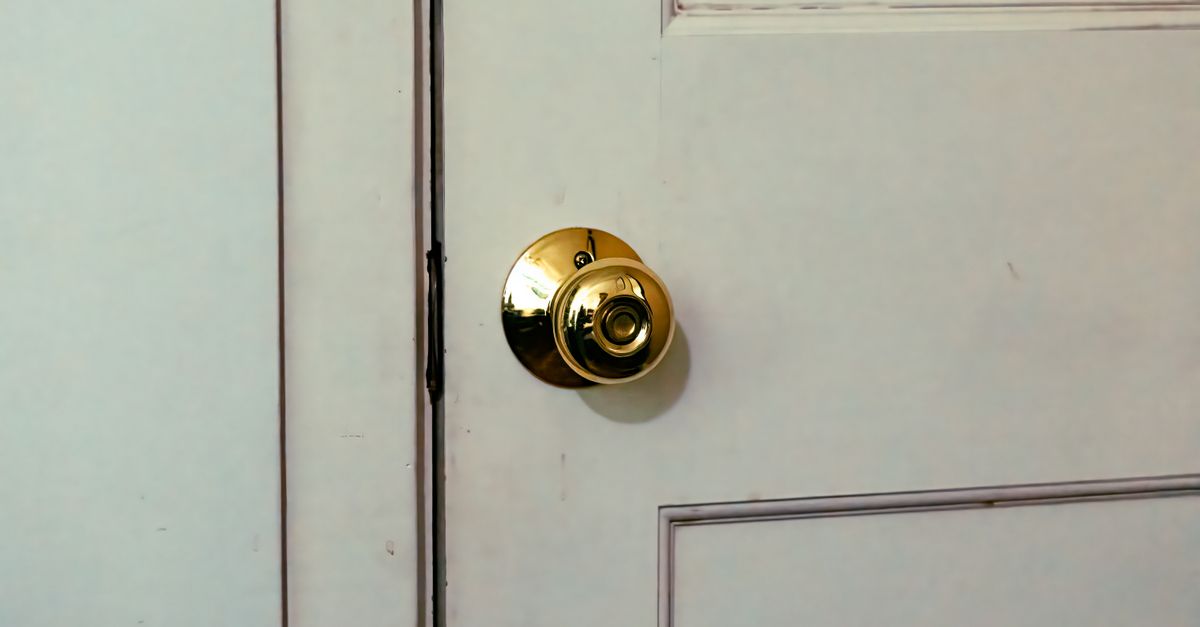
Choosing the right bolt starts with understanding what's already on your door. The most familiar option is the cylindrical deadbolt — a single- or double-cylinder bolt that fits into a bored hole in the door edge. These work well on most standard residential doors and pair easily with a door knob lock for layered protection. However, for older homes with narrow door stiles, metal doors, or doors that need maximum pry resistance, a mortise lock is often the superior choice. A mortise lock is recessed directly into a pocket carved into the door's edge, distributing stress across a much larger area and making it dramatically harder to kick or jimmy open. Our technicians are experienced with both bored and mortise-pocket doors and carry the tools to handle either without guesswork.
For apartment entryways, basement doors, and any door that opens outward — common in older Merrillville bungalows and ranchers — a jimmy-proof deadbolt installation is worth serious consideration. Unlike a standard bolt that can be leveraged open with a tool slid between the door and frame, a jimmy-proof interlocking rim lock connects vertical interlocking rings that physically cannot be pried apart without destroying the door itself. We also install keypad and smart deadbolts, double-cylinder deadbolts (keyed on both sides), and Grade 1 ANSI-rated deadbolts from trusted hardware brands like Schlage and Kwikset. If you're unsure which type fits your door and threat level, our technician will walk you through the options on-site before any work begins.